

Yemeni MP Faces Illness and Life Abroad Amid Official Silence
Yemenat
Mohammed Al–Mekhlafi
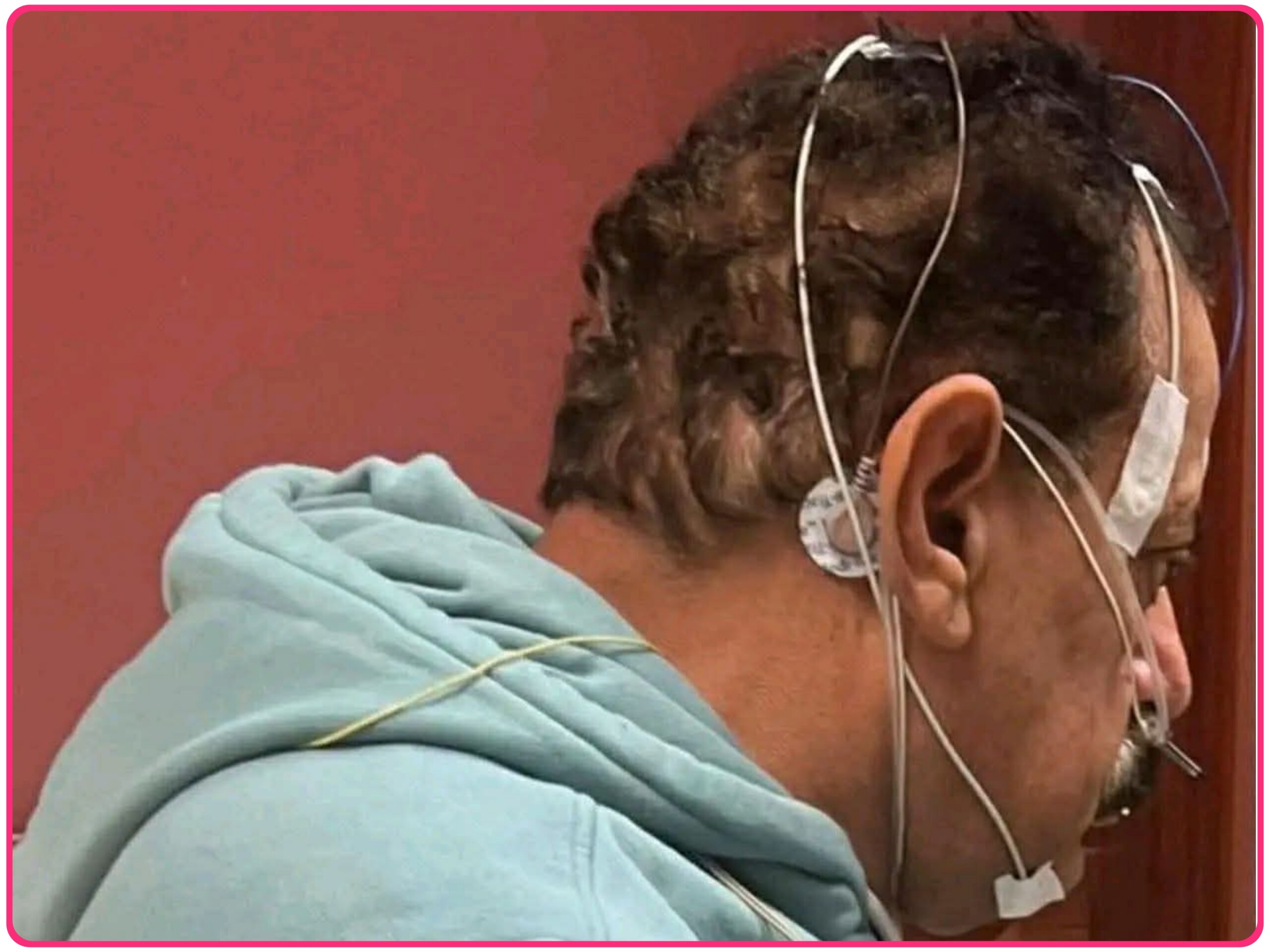
Yemeni Member of Parliament Ahmed Saif Hashed is facing a dual struggle between illness and life abroad, amid official silence that raises serious questions about the state’s responsibility toward its representatives in critical humanitarian situations.
Since entering public life, Hashed has been closely associated with defending citizens’ rights, placing justice and accountability at the center of his work. These positions have exposed him to years of pressure and harassment, yet he has remained steadfast in his principles without compromise.
He is widely known for his modest lifestyle and close connection to the public, as well as his refusal to seek the privileges of power, consistently prioritizing his convictions even under difficult circumstances.
Nearly three years ago, he suffered a heart attack and was transferred to Cairo for treatment. Doctors later recommended that he continue his medical care abroad. He submitted a request for a government-funded treatment grant, but it was ignored, despite his status as a sitting member of parliament.
His health has since deteriorated, with worsening coronary artery problems, severe spinal pain, peripheral neuropathy, and the need for surgery in the soft palate.
In the absence of official support, members of the Yemeni community in New York assisted him in obtaining a visa and undergoing open-heart surgery, which was successful. However, he still requires further medical interventions, including spine and soft palate surgeries, with doctors warning of serious risks if treatment is delayed.
Despite repeated appeals to Yemeni authorities, including Presidential Leadership Council Chairman Dr. Rashad Al Alimi, he has received no response.
Hashed is now in his second year living abroad in New York, far from his family in Sana’a, facing difficult living conditions. He has worked in a café to cover part of his expenses, while a member of the Yemeni community provided him with modest accommodation.
In an official letter dated February 15, 2026, addressed to the head of the Presidential Leadership Council, he requested the disbursement of his financial entitlements as a member of parliament, citing his urgent medical needs and deteriorating health. The letter went unanswered.
He also submitted a complaint to the Inter-Parliamentary Union, whose Human Rights Committee issued a decision during its 179th session. The committee called on Yemeni parliamentary authorities to clarify the situation of MPs residing abroad and the financial support they are entitled to.
This decision is considered an important document that highlights the scale of the challenges Hashed faces and reflects growing parliamentary and international attention to his case. It underscores the urgent need for medical assistance and places a clear responsibility on the relevant authorities.
The continued follow-up by the Inter-Parliamentary Union indicates that the case has reached the international arena despite political complexities, and attempts to marginalize the issue have not succeeded.
Amid these developments, calls are growing for urgent support from Yemeni authorities, relevant institutions, and the Yemeni diaspora to enable him to complete his medical treatment. The case also raises broader questions about the extent to which official institutions fulfill their duties in humanitarian situations.