

The tragic end of Yemen’s Spider-Man in the Damt volcanic crater
Yemenat
Mohammad Al-Mekhlafi
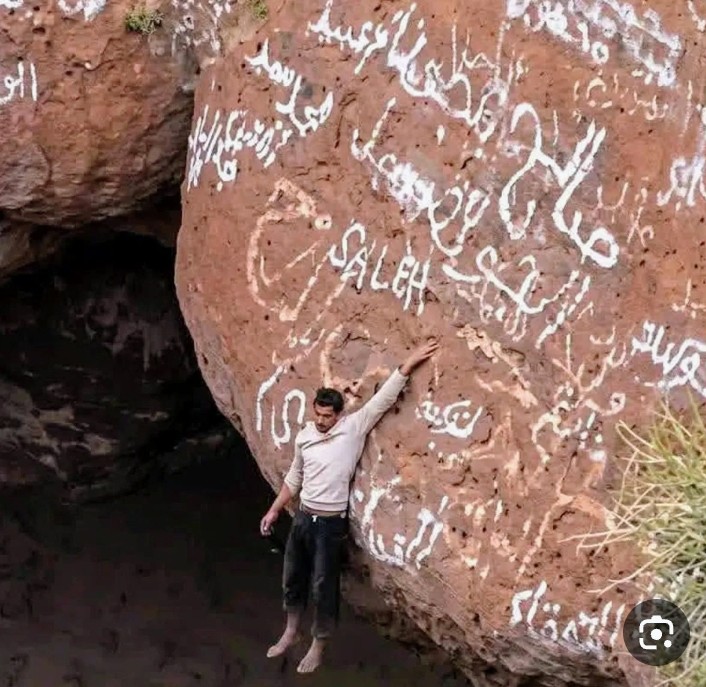
The scene of Al-Qaqa Antar, nicknamed (Yemen’s Spider-Man) falling while performing one of his usual movements on the wall of the Haradhat Damt volcanic crater on the afternoon of Friday, June 11, remains stuck in my mind to this moment. Every time I recall that moment, I feel terror.
A young man standing on the edge of a deep abyss, holding on with his hands to a sharp rocky wall, performing dangerous acrobatic movements on the edge. Behind him and beneath him lies certain death. He moves with a confidence he has become accustomed to, before a single moment brings everything to an end.
For this reason, I hesitated greatly before writing about him, as the end was harsh for a young man whose name became associated with one of the most striking and mysterious natural sites in Yemen.
The Haradhat Damt volcanic crater is located in Al-Dhalea Governorate in southern Yemen, and it is considered the largest of the seven volcanic craters in the region. For thousands of years, it has stood as a witness to a long geological history. Its depth reaches around 130 meters, while hot sulfuric waters collect at its bottom, reaching temperatures of about 60 degrees Celsius.
On the walls of this majestic and dangerous place, Al-Qaqa made his fame.
He possessed rare talent and exceptional physical ability, but this talent was practiced in the most dangerous environments and without any real safety measures. Even the simplest means of safety, such as a rope fixed to a rock or a stable point and tied to his body to prevent falling, were not used.
As if he were betting each time on his own experience. He may also have dreamed that the videos he posted on his Facebook page would help him obtain a better opportunity, or perhaps attract the attention of organizations interested in climbing sports and grant him a chance to prove his talent beyond the borders of his country.
What if this young man had been born somewhere else? What if he had found training, care, and a safe environment? Perhaps today his name would have been known in international climbing competitions.
But the reality was far harsher. In one of his videos, he spoke with painful honesty about his life and difficult living conditions. He said that he performed these dangerous acts to earn what would help him support his family, from visitors in exchange for those adventures, which he knew very well could cost him his life.
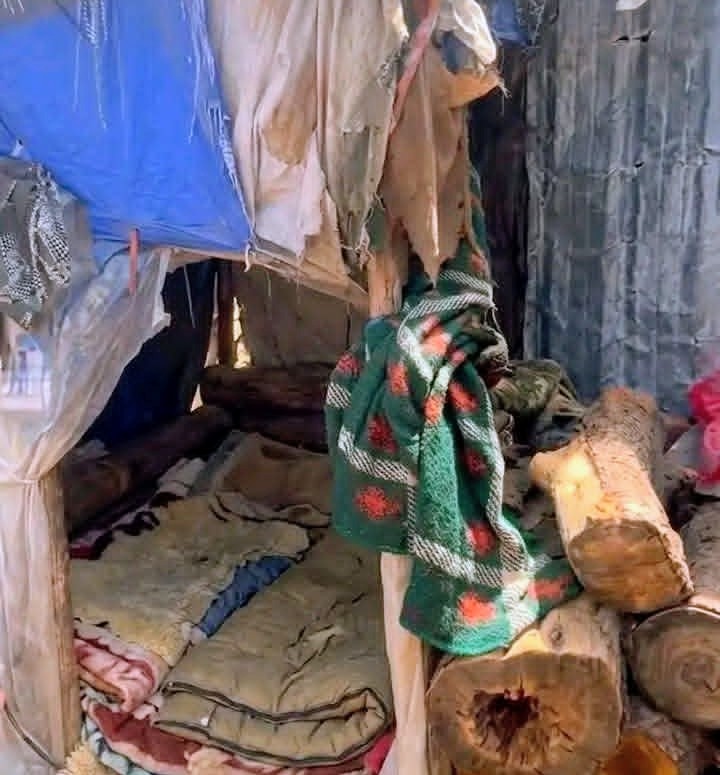
He did not have a home, and he lived in a modest place, closer to a dilapidated shack inside a courtyard in the middle of Damt city, as appeared in a video clip after his death.
What affected me most in his words was that he was not seeking fame as much as he was seeking work—just ordinary work. A chance to make a living and leave these dangerous stunts behind. He said it clearly, but it seems no one was listening.
It is also important to say that Al-Qaqa was not a victim of poverty alone. There was another reason that drove him to continue: that feeling of exhilaration that accompanies those who challenge danger and emerge victorious each time.
Perhaps he became accustomed to approaching death until it became something ordinary in his life, something he practiced repeatedly. And perhaps he convinced himself, like many adventurers, that the accident everyone fears would not happen to him. Yet he knew that a single small mistake would be enough to end everything.
The painful irony is that he later watched some of his own videos and felt afraid of himself and of the boldness with which he approached those risks, as mentioned by one of his friends.
How did this dangerous tourist site remain open all these years without safety measures? And why were no barriers installed to protect visitors and adventurers from falling? And why did the responsible authorities not intervene to stop these dangerous performances?
On the other hand, the role of the audience cannot be ignored. Al-Qaqa was not performing these stunts in secret. He was doing them in front of dozens, perhaps hundreds, of visitors who would ask for more, sometimes challenging him and asking him to write their names and phrases on the wall of the volcanic crater, applauding him whenever he moved closer to the edge of danger.
Their phones documented those terrifying scenes, and comments on social media were filled with expressions of admiration and astonishment. Everyone was enjoying the thrill, but only a few were thinking about the possible cost.
When the accident finally happened, applause turned into mourning, and astonishment turned into shock.
After his death, social media platforms were filled with his photos and the video clips that documented his adventures. Some spoke about his courage, others about his recklessness, while others saw in his story a painful reflection of a harsh Yemeni reality in which talents are lost between poverty, neglect, and lack of opportunity.
Even media outlets and platforms outside Yemen covered the incident, but that delayed attention changes nothing about the painful truth: Al-Qaqa needed an opportunity while he was alive, not thousands of words of eulogy after his passing.
Al-Qaqa Antar passed away, and his story remained tied to the Damt volcanic crater, one of the most dangerous and mysterious natural sites in Yemen.
It is the story of an exceptional talent that found no one to nurture it, and of a young man who sought a job opportunity more than he sought fame, and of a society that grew used to applauding without looking beyond the scene.